Welcome to Dingsheng Garden
Smart Cannabis Growing: Automation and Precision for Better Yields
The future of cannabis cultivation lies in smart technology that allows for automation and precise control, ensuring healthier plants, higher yields, and a more sustainable cultivation process. Let’s explore what’s new in smart devices.
1、Automatic Climate Control: Precision Management of Environmental Factors
When smart thermostats are combined with temperature and humidity sensors, they can automatically adjust key systems like heating, cooling, and ventilation based on real-time data. If the temperature rises above a certain level, the system will initiate cooling or ventilation to get it back into the optimal range. Similarly, if the humidity drops too low, the system will activate a humidifier to prevent the plants from becoming stressed. Current controllers allow growers to create customized climate profiles based on the specific needs of different cannabis varieties or growth stages. For example, during the growth phase, a cannabis plant may require higher humidity and slightly lower temperatures, while during the flowering phase, lower humidity and higher temperatures may be more appropriate, which is especially beneficial for commercial-scale growers who need to maintain consistency within large growing spaces.
2、Lighting Control Systems: Tailored Lighting for Maximum Efficiency
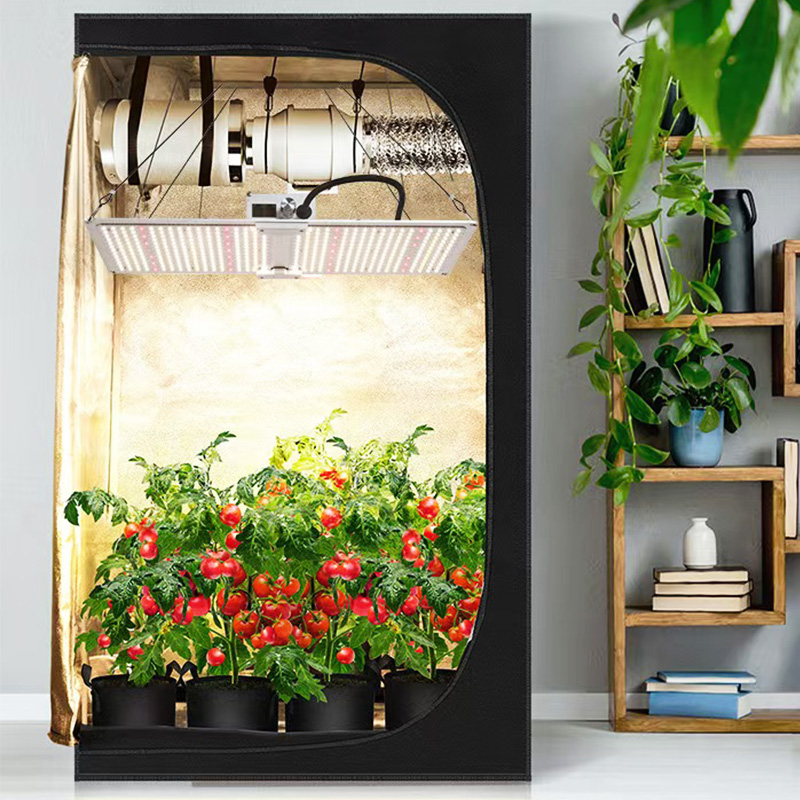
Tailor-made lighting for maximum efficiency Modern LED grow lights come with adjustable settings that can be easily controlled via smartphone apps or automatic timers. Growers can program the system to deliver the right spectrum of light at the right intensity at every stage of plant growth, from seedling to harvest. For example, during the vegetative stage, cannabis plants require blue light to promote leaf and stem growth, while during the flowering stage, red light is more effective for bud development. There are also automated lighting schedules that can set and adjust automatic 16-hour photoperiods during the growing phase and 12-hour photoperiods during the flowering phase based on environmental factors, making the entire process more efficient and less labor-intensive.
3、Monitoring and Alerts: Real-Time Data for Proactive Plant Care
Sensors continuously monitor environmental factors that impact growth (temperature, humidity, pH, and CO2). For example, if a CO2 sensor detects that levels have dropped too low, the system can trigger an alarm and adjust the CO2 generator accordingly. Similarly, a pH sensor ensures that the nutrient solution remains balanced, preventing nutrient lock and ensuring that the plant absorbs nutrients properly. If any factor goes out of range, the system can send an alert to the grower's phone, email, or dashboard. This real-time monitoring allows growers to intervene quickly before any problems arise. Alert thresholds can be customized based on the size of the grow area or the variety of cannabis.